Skip to content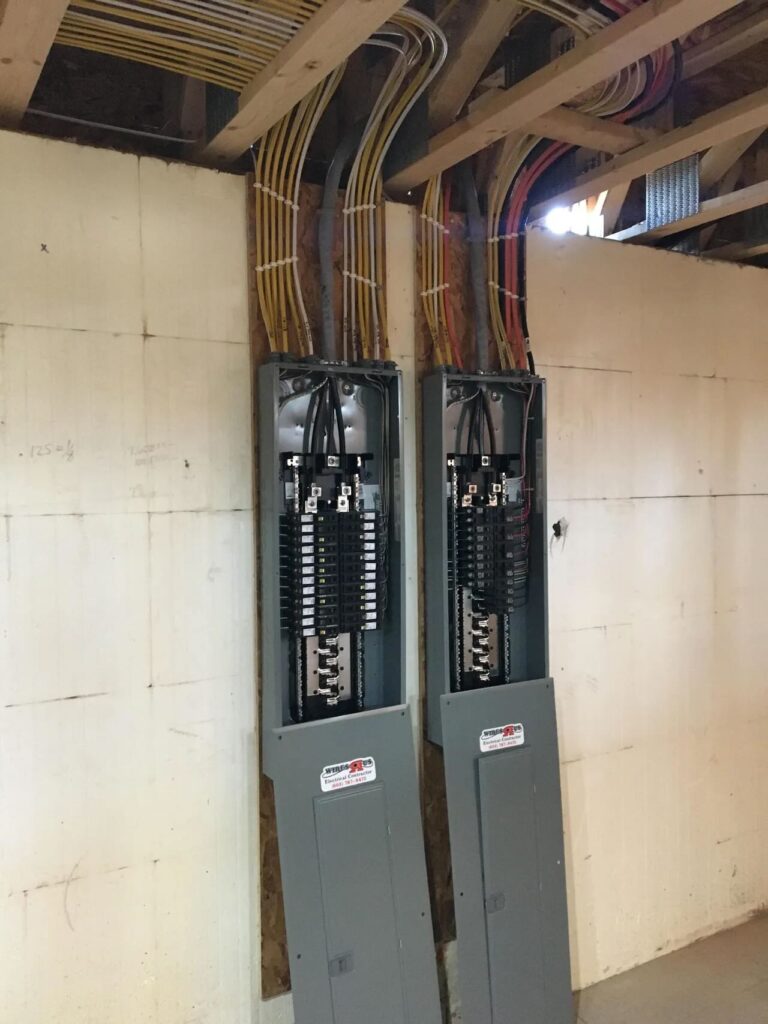
Water and electricity do not mix because they are a dangerous combination.
Why Water and Electricity Do Not Mix
Water is not a particularly conductive material on its own, but with the help of impurities and chemicals that are often present, electricity has no trouble flowing through it. That’s why you should avoid water if you ever see a live wire touching it.
When water and electricity mix, they can cause:
- Electric shocks, which can lead to serious injuries, including:
- Heart rhythm disruption
- Drowning as a result of muscle paralysis
- Short circuits, which can lead to electrical damage and even fires.
- Electricity to spread unpredictably
- Surfaces and objects to become energized
Common Areas Where Water and Electricity May Meet in Your Home
- Bathrooms – These are particularly high-risk areas that can become even more dangerous if:
- You use your hairdryer or straightener near your sink
- You use electrical devices while your hands are wet
- Kitchens – While the moisture content in kitchens is typically lower than bathrooms, they can become more of a hazard if:
- Your toaster or kettle is positioned near your sink
- Your countertops are frequently wet near plugged-in devices
- You accidentally spill water near an outlet
- Outdoor areas – Rain can quickly turn a once-safe setup hazardous, especially when:
- Electrical devices aren’t sealed properlyExtension cords are used in wet conditionsPool equipment and lighting are poorly installed
- Power tools are used in damp environments
- Flooding or leaks – Can be extremely dangerous, especially when electricity is involved. If water has reached your electrical system, avoid it at all costs and contact a professional immediately.
How to Stay Safe Around Water and Electricity
- Install Ground Fault Circuit Interrupter (GFCI) outlets – They’re specifically designed to operate in areas where you may find a lot of moisture (like bathrooms) to ensure that water and electricity do not mix. When they detect electrical imbalances – even ones as small as 4 – 5 milliamps – they will shut off the flow of electricity almost instantly.
- Keep electrical devices away from water.
- Use equipment rated for outdoor use when you’re outside.
- Address leaks immediately.
- Schedule electrical inspections.
If your home has experienced water exposure – or you’re concerned about electrical safety in high-moisture areas – contact Wires R Us today. We’ll send a team out to inspect your electrical system and ensure your home is safe and up to code.